

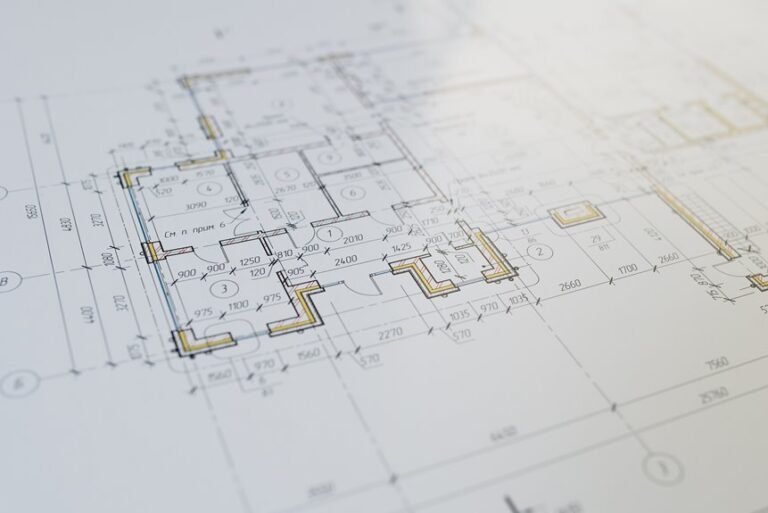
The HelioPrime Operational Blueprint frames milestone-driven deployment around a set of identifiers, treating each as a data-anchored metric rather than a mere label. It links feasibility to maintenance through explicit data lineage, adaptive budgeting, and risk-aware execution. Governance structures align KPIs with risk appetite, enabling scenario planning and iterative forecasting. The approach maintains objective evaluation and ethics while embedding feedback loops that drive performance reporting across diverse environments, inviting further examination of how these elements integrate.
HelioPrime Operational Blueprint
The HelioPrime Operational Blueprint outlines a structured framework for deploying solar-harvesting systems across diverse environments.
It emphasizes milestone alignment to synchronize phases, data governance to secure transparent metrics, and risk mitigation to anticipate disruptions.
The document supports adaptive planning, enabling swift recalibration in response to changing conditions, while preserving operational freedom and objective evaluation of system performance.
Turning Numbers Into Milestones: 9164315240 and Friends as Project Metrics
This section examines how numeric targets—specifically 9164315240 and related identifiers—can be codified into actionable project milestones.
The analysis evaluates feasibility metrics and data lineage to align goals with measurable timelines, while governance dashboards track progress.
Maintenance cadence informs adaptive budgeting, and risk scoring supports prioritization, ensuring transparent accountability and freedom-driven decision-making across project phases.
From Feasibility to Maintenance: A Practical, Data-Driven Workflow
From feasibility to maintenance, a data-driven workflow translates initial viability assessments into continuous, measurable operations: feasibility metrics drive validation, while data lineage ensures traceability through design, development, and deployment. The approach emphasizes viable partnerships and data ethics, aligning stakeholder incentives with rigorous measurement. Processes institutionalize feedback loops, enabling iterative refinement, governance, and transparent performance reporting across lifecycle stages.
Risk-Aware Execution: Governance, KPIs, and Adaptive Planning
Risk-aware execution integrates governance, KPIs, and adaptive planning to embed risk discipline within operational cadence. It evaluates risk governance structures, ensuring accountability and transparent decision rights, while KPI alignment ties performance to strategic risk appetite.
The approach emphasizes iterative forecasting, scenario planning, and disciplined adjustment, enabling flexible, data-driven responses that sustain resilience, efficiency, and freedom from reckless deviation.
Frequently Asked Questions
What Is the Origin of the Term “Helioprime” in This Blueprint?
The origin term helioprime derives from branding analyses within the blueprint, signaling solar-centric primacy. In this context, origin term helioprime reflects branding decisions, emphasizing energy, clarity, and forward-looking guidance as a symbolic standard.
How Are the Listed Numbers Chosen for Project Measurement?
Numbers are chosen by standardized performance metrics, calibrated recent data, and stakeholder inputs, ensuring comparability across phases. Anecdotally, a single pilot project validated the scaling steps. Irrelevant topic, Off topic, Placeholder concept, Redacted idea are acknowledged.
Do These Numbers Reflect Team Capacity or External Benchmarks?
Externally aligned yet internally sourced, the numbers reflect a blend of external benchmarks and internal capacity, remaining predictably ambiguous and strategically ambiguous; they measure capacity with external anchoring, enabling freedom while preserving analytical rigor and evidence-based interpretation.
What Security Measures Protect the Data Behind the Metrics?
Data security relies on robust measures: data encryption protects at rest and in transit, access governance limits privileges, incident response plans enable rapid containment, and audit logging provides traceability for continuous, evidence-based security improvement.
How Is Stakeholder Input Integrated Into Iterative Updates?
Stakeholders influence iterative updates via structured cadence, ensuring feedback is synthesized against data governance and risk prioritization. This stakeholder cadence mitigates objections, enabling evidence-based adjustments while maintaining autonomy, traceability, and transparent decision criteria across governance-backed improvement cycles.
Conclusion
The HelioPrime blueprint, with its quintet of identifiers, crystallizes complex governance into a single, dazzling axis: milestones. By converting feasibility into maintenance through data lineage and adaptive budgeting, it renders risk visible and negotiable, not hidden. KPIs, scenario planning, and iterative forecasts form an armored compass—precise, relentless, and self-correcting. In sum, a meticulously exaggerated system where numbers aren’t mere metrics but propulsive forces guiding governance, ethics, and performance across ever-shifting environments.