

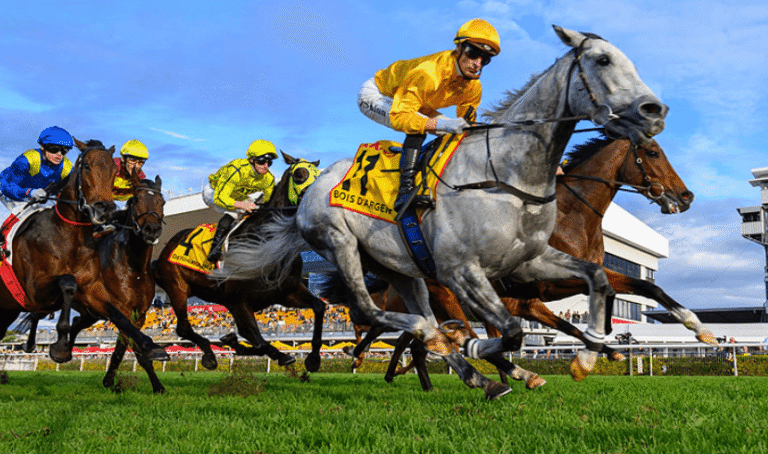
The science of horse racing reveals a complex interplay of biomechanics, muscle composition, and cardiovascular health. Each element contributes to a horse’s performance on the track. Optimal limb coordination and muscle fiber ratios are critical for achieving peak speed and endurance. However, the mental state of the horse cannot be overlooked. Understanding this multifaceted approach is essential for enhancing racing potential while prioritizing the horse’s well-being. What other factors influence this delicate balance?
The Biomechanics of a Horse’s Stride
The biomechanics of a horse’s stride reveal a complex interplay of anatomy and physics that underpins the animal’s remarkable speed and agility.
Gait analysis illustrates how stride efficiency is achieved through optimal limb coordination and energy conservation.
This intricate system allows horses to cover vast distances with grace, reflecting their evolutionary adaptations.
Understanding these mechanisms fosters a deeper appreciation for their freedom and performance.
Muscle Composition and Performance
Muscle composition plays a crucial role in determining a horse’s athletic performance, influencing factors such as speed, endurance, and overall agility.
The ratio of muscle fiber types—slow-twitch for endurance and fast-twitch for speed—affects energy efficiency during races.
Understanding these dynamics allows trainers to optimize training regimens, ultimately enhancing a horse’s natural capabilities while ensuring its well-being and freedom to perform at its best.
The Role of the Cardiovascular System
While muscle composition significantly influences a horse’s performance, the cardiovascular system is equally vital, as it serves as the engine that fuels athletic exertion.
A horse’s heart rate dictates the efficiency of blood flow, ensuring that oxygen reaches muscles during intense activity.
This intricate system enhances endurance and speed, allowing for optimal performance while safeguarding the horse’s well-being, ultimately reflecting the freedom of its natural abilities.
Mental State and Competitive Edge
Mental resilience is a crucial yet often overlooked component in the competitive landscape of horse racing.
The stress response of a horse during races significantly affects performance, intertwining with various motivation factors.
A horse’s mental state can enhance or hinder its ability to harness physical capabilities, underscoring the need for training that fosters emotional balance, ultimately providing a competitive edge in high-stakes environments.
Conclusion
In the grand symphony of horse racing, where biomechanics, muscle composition, and cardiovascular prowess intertwine, the equine athlete emerges as a paragon of nature’s engineering. Each stride is a masterclass in physics, fueled by an intricate network of muscles and a beating heart that could rival a race car engine. Coupled with a nuanced mental state, these factors forge champions that defy human comprehension. Truly, the science of horse racing reveals not just speed, but the very essence of equine magnificence.